Documents required for GST registration in India
The documents required for GST (Goods and Services Tax) registration in India depend on the type of business entity. Here is a list of documents required for different types of entities:


The documents required for GST (Goods and Services Tax) registration in India depend on the type of business entity. Here is a list of documents required for different types of entities:
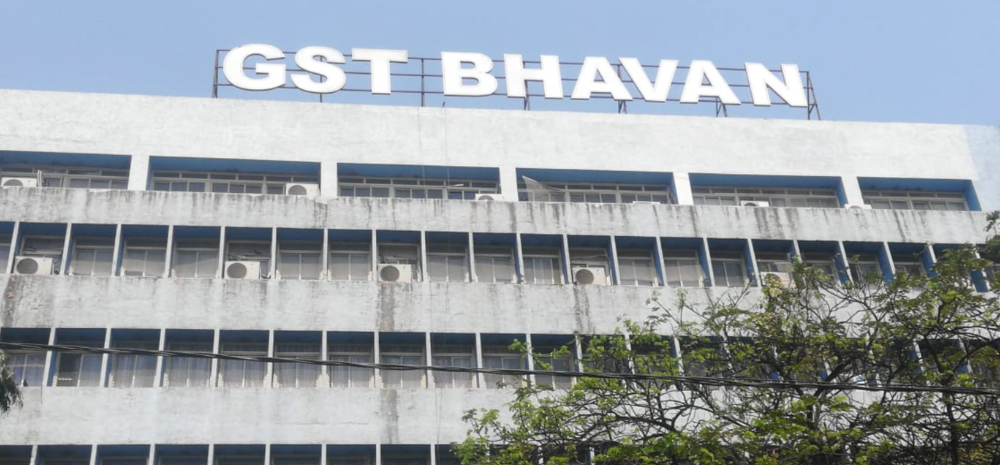
The Goods and Services Tax (GST) is an indirect tax levied on the supply of goods and services in India. It was implemented on July 1, 2017, and has since been a critical source of revenue for the government. The GST department has been making efforts to streamline the tax collection process and plug revenue leakages. In a significant move towards this goal, the GST department is set to get access to banking transactions of taxpayers.
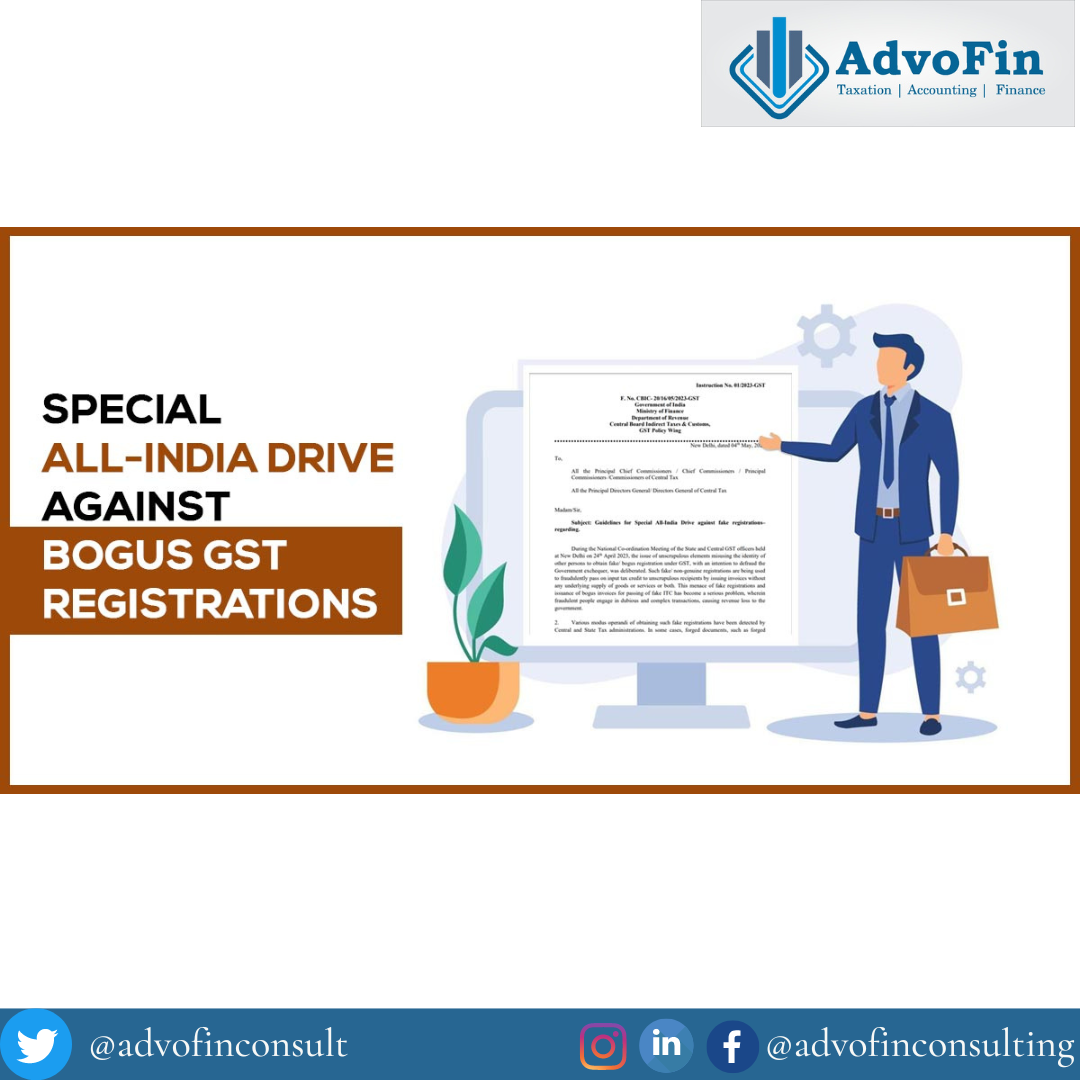
The Goods and Services Tax (GST) is a comprehensive indirect tax levied on the supply of goods and services in India. The GST Department has been striving hard to ensure that only genuine taxpayers are registered under the GST regime. However, there have been instances where fake GST registrations have been made, causing huge revenue losses to the government.

As a business owner, understanding input tax credit (ITC) can help you save money and streamline your tax filing process. In this blog, we will discuss ITC on food items, which can be a significant expense for many businesses.

The term “works contract” has a limited scope under the GST regime and is applicable only to contracts related to the construction, fabrication, or similar activities for immovable properties. Any composite supply involving goods, such as a paint job or fabrication work carried out in an automotive body shop, does not fall under the purview of a works contract for GST purposes.

Compliance with essential GST requirements is crucial for companies that are GST-registered. Prior to the start of the year, companies must prepare new invoice processing series, evaluate their accumulated turnover to determine whether to opt for the scheme for FY 2023-2024
AdvoFin Consulting

Get all the updates on GST/Income Tax directly on your whatsapp